1
Whitening before restorative work
If colour is the main concern, whitening may be considered before choosing the shade of veneers, bonding or crowns because restorations do not whiten later in the same way as natural teeth.
Plan the shape, proportion and character of your smile before treatment begins.
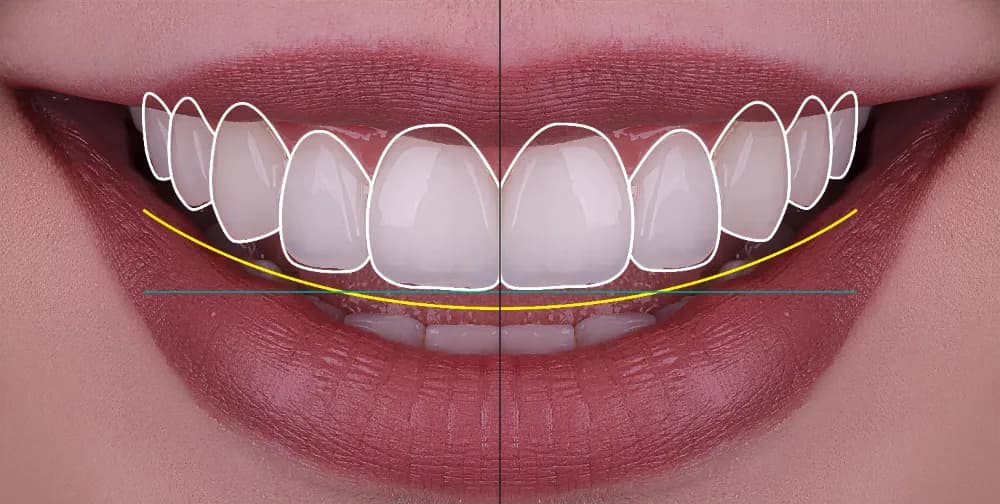
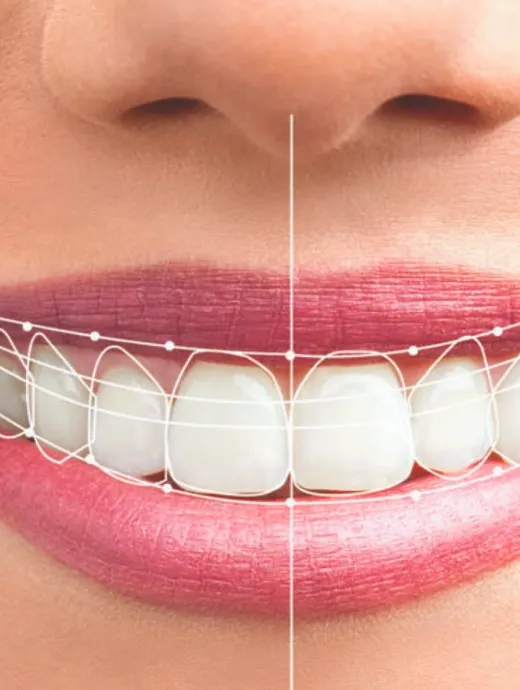
Smile design is a planning process, not a single treatment. Photographs, facial analysis, bite, gum levels, tooth position and tooth colour are considered before deciding whether the result is best achieved with whitening, bonding, orthodontics, veneers, crowns or a combination. Many patients are concerned about aggressive tooth cutting or ending up with teeth that look too white or too uniform. A responsible cosmetic plan should show what can be improved conservatively and where compromises exist. In suitable cases, a digital simulation or mock-up can help you understand the proposed shape before irreversible treatment begins.
Bring examples of smiles you like, but expect the plan to be adapted to your face, gums, bite and natural tooth proportions. A useful preview explains what is realistically achievable rather than promising an identical copy of someone else's smile.
Ask which parts of the plan are reversible, which require tooth reduction, how long each material tends to last and what maintenance is expected. Cosmetic treatment should still be designed around healthy gums and a stable bite.
Treatment is planned after an in-person examination; imaging is used when it is expected to change diagnosis or treatment planning.
A smile-design consultation can help when you are bothered by shape, colour, spacing, worn edges, old restorations or an uneven smile line. The goal should be to identify the least invasive way to reach a realistic result while preserving healthy tooth structure.
You are unhappy with tooth shape, spacing, colour or symmetry
You are considering veneers, bonding, whitening or cosmetic crowns
You want to understand whether orthodontics could improve the result with less tooth preparation
You have old visible fillings or crowns that no longer match your smile
You prefer to review a planned result before committing to cosmetic treatment
Cosmetic dentistry often works best as a sequence rather than a single procedure. Gum health, tooth position, colour and tooth structure are assessed before deciding what actually needs to change.
If colour is the main concern, whitening may be considered before choosing the shade of veneers, bonding or crowns because restorations do not whiten later in the same way as natural teeth.
Bonding can adjust selected edges, small gaps or shape differences with minimal tooth preparation in suitable cases, although it can stain or chip and may need maintenance over time.
Ceramic restorations can change shape and colour more extensively, but the amount of tooth preparation depends on the starting tooth position and condition. Healthy structure should not be removed without a clear reason.
When teeth are significantly crowded or rotated, moving them first can sometimes reduce how much restorative reshaping is needed and improve the final bite.
These are common concerns patients raise when deciding whether to book, when something feels different after treatment, or when they are unsure whether they should wait or ask for a review.
Not every smile design needs veneers or crowns, and not every veneer requires the same amount of tooth preparation. The amount of enamel available, tooth position, existing restorations and the change requested all matter. Ask to see the conservative alternatives before accepting irreversible treatment.
Tooth shape, translucency, texture and shade should suit the face and the patient's preference. A very bright, uniform result is not the only definition of cosmetic dentistry. Bring examples of what you like and dislike, and ask whether a mock-up or provisional stage can be used to refine shape before the final restorations are made.
When teeth are significantly rotated, crowded or positioned outside the ideal arch, orthodontic movement can sometimes reduce the amount of tooth preparation needed for cosmetic restorations. The sequence should be planned before treatment so one procedure does not make the next unnecessarily difficult.
Whitening changes natural teeth but does not predictably lighten existing crowns, veneers or composite fillings. If visible restorations are present, shade sequencing matters. In some cases, natural teeth are whitened first and visible restorations are replaced later to match the new shade.
Before cosmetic planning, we check for cavities, gum disease, tooth wear and bite issues because cosmetic work placed on an unhealthy foundation is harder to maintain.
Your smile, tooth proportions, gum levels and facial features are recorded. Your preferences are discussed so the plan does not simply copy a standard smile template.
Where suitable, a simulation or mock-up can help compare changes. Conservative options such as whitening, bonding or orthodontics are considered before more invasive restorations.
The final treatment is staged according to the plan, and the bite, speech, shade and appearance are reviewed before the case is considered complete.
These links are here only where the treatments genuinely overlap, so you can compare options without jumping through a long list of unrelated pages.
Professional teeth whitening in Gurgaon for suitable natural teeth, with a dental assessment to reduce avoidable sensitivity and shade surprises.
Read treatment guide OrthodonticsBraces and clear aligners in Gurgaon for crowded, spaced or misaligned teeth, with treatment planning for children, teens and adults.
Read treatment guide Restorative DentistryDental crowns and bridges in Gurgaon to strengthen damaged teeth or replace selected missing teeth using ceramic, zirconia and other restorative options.
Read treatment guideNo. Some smiles can be improved with whitening, composite bonding or orthodontics, while others may benefit from veneers or crowns. The plan should be based on tooth health, bite, position and your goals.
Same-week appointments most days. WhatsApp us a quick photo of what’s bothering you and we’ll come back with a likely plan before you arrive.