Treatment guidePediatric Dentistry, explained simply.
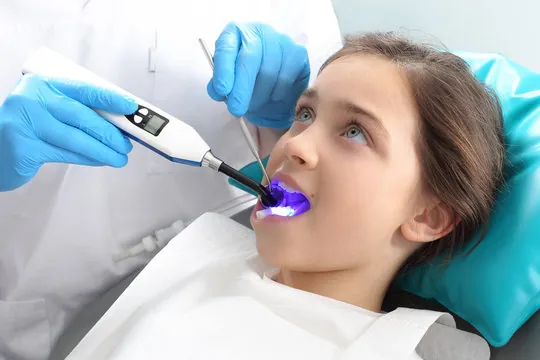
Children need dental care that considers both the developing mouth and the child's comfort in the chair. A pediatric visit may involve prevention, cavity care, assessment of tooth eruption, dental injuries, gum problems and guidance for parents. Parents often worry about whether a cavity in a baby tooth really needs treatment, whether X-rays are necessary, whether a child will tolerate the procedure and what sedation means. These questions should be answered before treatment starts. The goal is to treat disease at the right time while avoiding unnecessary fear and creating a dental routine the child can manage.
A frequent parent question is whether a cavity in a baby tooth can be ignored because the tooth will eventually fall out. The useful questions are how deep the cavity is, whether the child has symptoms, how long that tooth is expected to remain and whether early loss could affect eating, comfort or space for the permanent tooth.
Another common worry is dental X-rays. They are not required automatically at every visit. They are considered when the result is likely to change diagnosis or treatment—for example, when cavities between touching teeth cannot be assessed reliably by sight alone.
Treatment is planned after an in-person examination; imaging is used when it is expected to change diagnosis or treatment planning.