1
Metal or ceramic braces
Fixed braces give the orthodontist continuous control of tooth movement. Ceramic options can be less noticeable but still require careful cleaning and regular adjustment visits.
A straighter smile planned around your bite, lifestyle and treatment goals.
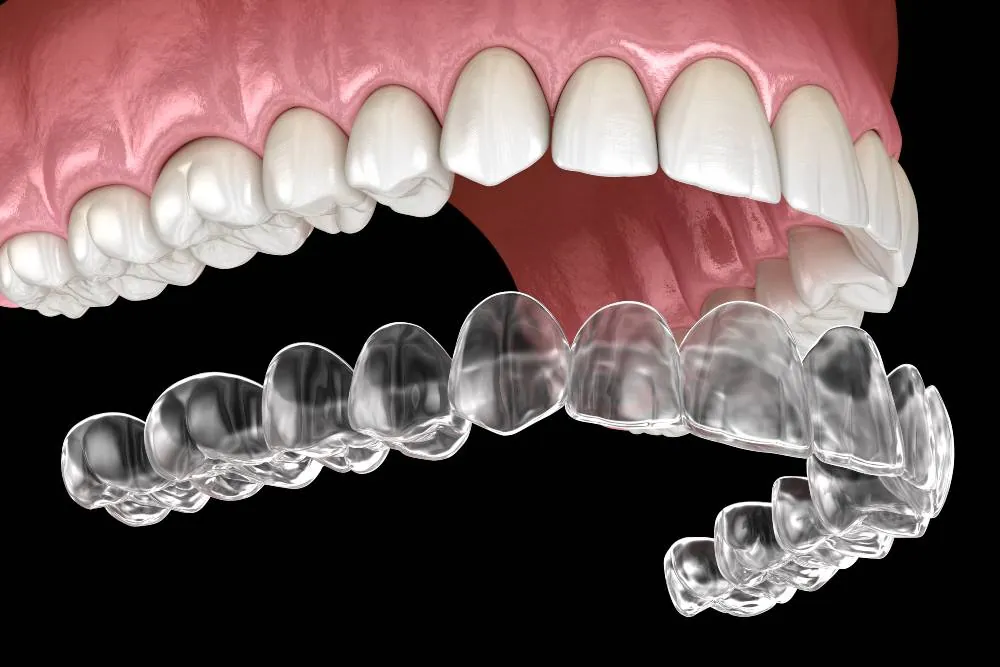
Orthodontic treatment moves teeth gradually to improve alignment, spacing and bite. Clear aligners, ceramic braces and conventional braces each have strengths and limitations. The right system depends on the type of movement required, your age, gum health, bite and how consistently you can follow the instructions. Clear aligners are removable but require disciplined wear; braces work continuously but need careful cleaning around brackets and wires. Retention after treatment is essential because teeth can move again even after an excellent result.
Patients often compare braces and aligners only by appearance. It is more useful to ask which option can produce the required movements reliably, how often reviews are needed, what happens if aligners stop fitting and how oral hygiene will be maintained throughout treatment.
For children and teenagers, timing can matter because jaw growth and tooth eruption may change what is possible. For adults, gum health, previous dental work and missing teeth can affect sequencing with implants, crowns or cosmetic treatment.
Treatment is planned after an in-person examination; imaging is used when it is expected to change diagnosis or treatment planning.
Orthodontic treatment is not only about straight front teeth. Crowding, spacing, rotated teeth and bite problems can affect cleaning, wear and how the teeth meet. An assessment helps decide whether clear aligners, braces or another approach can move the teeth predictably.
Your teeth are crowded, rotated or spaced
You have an overbite, underbite, crossbite or other bite concern
You prefer a removable clear-aligner option if clinically suitable
Your teeth have shifted after previous orthodontic treatment
You want orthodontic assessment for a child or teenager
Appliance choice should follow the movements your teeth need, not the other way around. Visibility, cleaning, compliance, complexity and retention all matter.
Fixed braces give the orthodontist continuous control of tooth movement. Ceramic options can be less noticeable but still require careful cleaning and regular adjustment visits.
Removable trays can be convenient for meals and brushing, but they must be worn consistently. Attachments or elastics may still be needed to achieve certain movements.
Overbite, open bite, crossbite and other bite relationships may need more than simply aligning the front teeth. Growth, jaw relationship and tooth position all influence the plan.
Retainers help hold teeth in their new positions. A long-term retention plan matters because teeth can shift even after a technically successful course of braces or aligners.
These are common concerns patients raise when deciding whether to book, when something feels different after treatment, or when they are unsure whether they should wait or ask for a review.
Soreness after braces are fitted or adjusted is a common worry. Teeth may feel tender when chewing and brackets can rub the cheeks or lips. Softer foods and orthodontic wax can make the adjustment period easier. Pain that is severe, very localised or linked to a broken wire or appliance deserves a review rather than simply waiting for the next routine appointment.
Braces create extra plaque-retentive areas around brackets and between teeth. Brushing alone may miss these spaces, so the cleaning routine often needs interdental brushes, floss aids or other tools recommended for your appliance. White marks and gum swelling are preventable risks, so cleaning quality matters as much as tooth movement.
Aligners are easier to remove for meals and cleaning, but they only work when worn consistently for the hours prescribed. Attachments can feel rough, trays can become tight when you change sets and misplaced trays can interrupt treatment. For some bite problems, braces or a combined approach may still be more predictable.
A sharp wire end, broken bracket or exposed retainer wire can become painful quickly. Orthodontic wax may provide short-term protection, but it does not repair the appliance. Contact the clinic for advice so the sharp area can be adjusted and the appliance can be checked before it causes repeated ulcers or unwanted tooth movement.
We assess alignment, gum health, bite and jaw relationships and take the photographs, scans or X-rays needed for treatment planning.
Braces and aligners are compared according to the tooth movements required, visibility, wear requirements, cleaning and expected treatment time rather than appearance alone.
Braces are adjusted periodically, while aligner patients progress through a planned series of trays. Reviews check tracking, gum health, broken appliances and bite changes.
Retainers are fitted after active treatment. They are part of the treatment, not an optional extra, because teeth naturally tend to shift over time.
These links are here only where the treatments genuinely overlap, so you can compare options without jumping through a long list of unrelated pages.
Digital smile design in Gurgaon for patients considering bonding, veneers, whitening or orthodontic changes, with preview-led planning where suitable.
Read treatment guide Cosmetic DentistryProfessional teeth whitening in Gurgaon for suitable natural teeth, with a dental assessment to reduce avoidable sensitivity and shade surprises.
Read treatment guide Children's DentistryGentle pediatric dental care in Gurgaon for check-ups, prevention, cavities, tooth pain, dental injuries and age-appropriate treatment planning for children.
Read treatment guideNo. Aligners can manage many alignment problems, but some tooth movements and bite corrections may be more predictable with braces or a combined approach. An orthodontic assessment is needed before choosing the appliance.
Same-week appointments most days. WhatsApp us a quick photo of what’s bothering you and we’ll come back with a likely plan before you arrive.