1
Diagnosis and pain source confirmation
The tooth is examined and usually tested against nearby teeth. X-rays help assess decay, previous fillings, root shape and changes around the root tip so the correct tooth is treated.
Relieve tooth pain while preserving the natural tooth whenever possible.
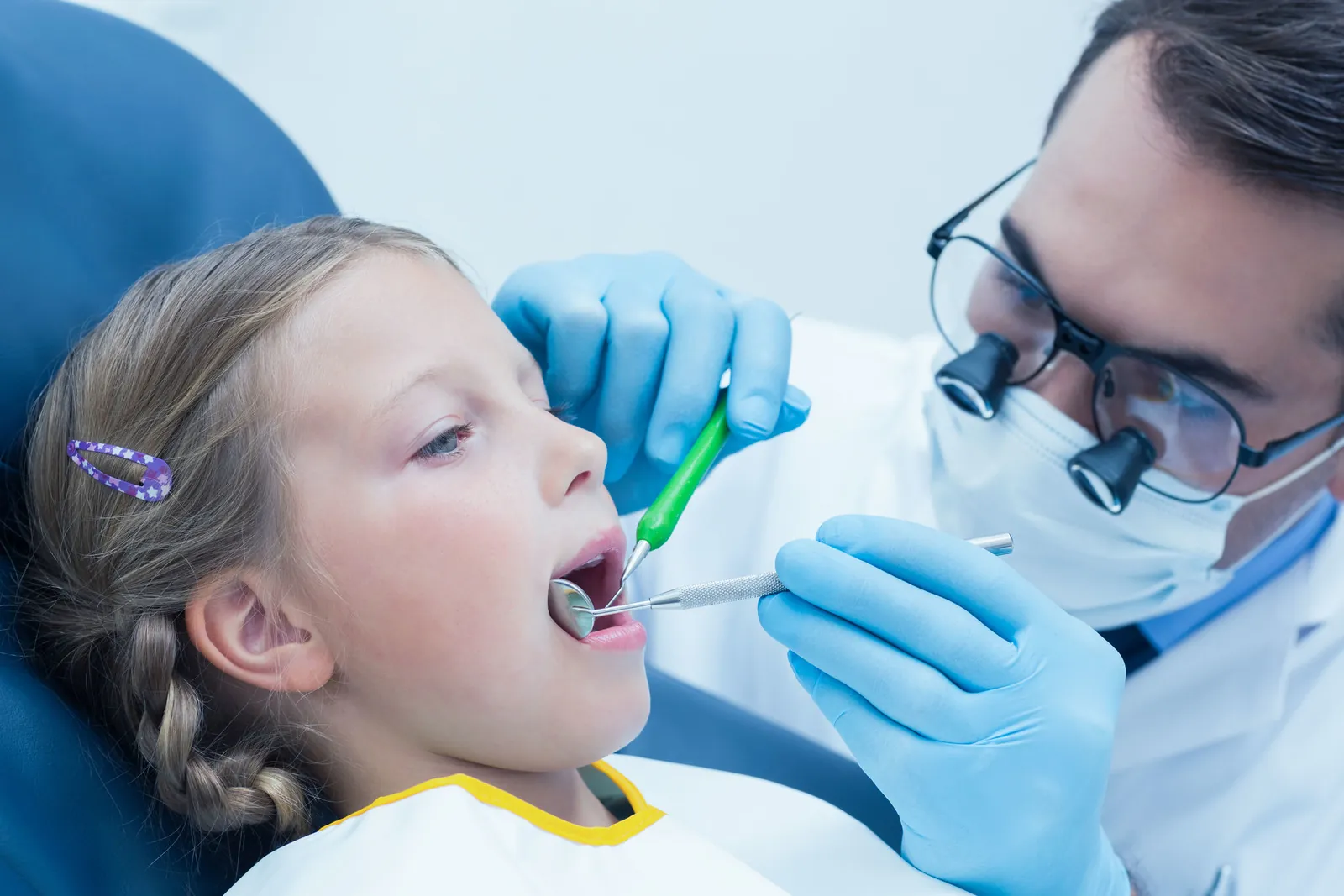
Root canal treatment is used when the pulp inside a tooth becomes inflamed or infected because of deep decay, a crack, trauma or a leaking restoration. Symptoms can range from strong spontaneous pain to lingering hot-and-cold sensitivity, pain when biting, swelling or sometimes no pain at all. Treatment removes the inflamed or infected tissue, cleans and disinfects the root canals and seals the space. The tooth then needs a durable final restoration. The number of visits depends on the tooth anatomy, infection, previous treatment and how much tooth structure is left.
If pain disappears before treatment, that does not always mean the tooth has healed. A badly damaged pulp can stop responding while infection remains around the root. This is why treatment decisions should be based on examination and imaging rather than pain intensity alone.
After treatment, mild biting tenderness can occur for a short period. Pain that is escalating, facial swelling, a lost temporary filling or a bite that feels dramatically high should be reviewed rather than ignored.
Treatment is planned after an in-person examination; imaging is used when it is expected to change diagnosis or treatment planning.
A root canal is considered when the nerve tissue inside a tooth is inflamed or infected. Severe toothache is one clue, but not the only one. Lingering temperature sensitivity, pain when biting, swelling, a gum boil or a darkened tooth after trauma can also justify an assessment.
You have persistent toothache, throbbing pain or pain when biting
Hot or cold sensitivity lingers after the stimulus is removed
There is swelling, a gum pimple or tenderness near a tooth
A deep cavity, crack or old filling has reached or irritated the nerve
A previously root-canal-treated tooth has developed new pain, swelling or a broken restoration
Not every painful tooth needs a root canal. The diagnosis comes first. Once the pulp is confirmed to be irreversibly inflamed or infected, treatment usually follows a clear sequence designed to disinfect and then protect the tooth.
The tooth is examined and usually tested against nearby teeth. X-rays help assess decay, previous fillings, root shape and changes around the root tip so the correct tooth is treated.
After local anaesthesia and isolation, infected or inflamed tissue is removed and the root canal system is cleaned, shaped and disinfected.
Once the canals are ready, they are filled and sealed. Some teeth can be completed in one visit, while active infection or complex anatomy can require more than one appointment.
A root-canal-treated tooth still needs a durable restoration. Depending on how much tooth structure remains, this may be a bonded filling, onlay or crown designed to reduce the chance of fracture.
These are common concerns patients raise when deciding whether to book, when something feels different after treatment, or when they are unsure whether they should wait or ask for a review.
A root-canal-treated tooth can feel tender to bite on for a short period because the tissues around the root are still healing. Patients commonly become anxious when the tooth is not instantly symptom-free. The useful question is whether the discomfort is gradually improving. Severe pain, increasing swelling, fever or symptoms that are not settling should be reviewed rather than self-diagnosed online.
Biting pain can have several causes, including inflammation around the root, a high temporary or final restoration, a crack or another nearby tooth. If the tooth feels taller than the others after treatment, a bite check is worthwhile. Persistent pain needs reassessment because an X-ray is only one part of diagnosis.
Not every root-canal-treated tooth needs the same restoration, but back teeth and teeth with large previous fillings are often more vulnerable to fracture. The recommendation should be based on how much sound tooth remains, where the tooth sits in the bite and whether the cusps need protection—not simply on the fact that a root canal was done.
A previously treated tooth can develop symptoms years later because of a new leak, decay, fracture or persistent infection. The next step may be retreatment, repair of the restoration, endodontic surgery or extraction depending on the cause. The tooth should be assessed before assuming it has definitely failed.
We identify the tooth that is causing the symptoms, assess the roots and surrounding bone and check whether the tooth is restorable before recommending root canal treatment.
After local anaesthesia and isolation, the inflamed or infected tissue is removed. The root canals are shaped and disinfected carefully because untreated anatomy can contribute to persistent infection.
The cleaned canals are filled and sealed. Some teeth can be completed in one visit, while others may need medication inside the tooth and a second appointment.
A filling, onlay or crown may be recommended depending on how much tooth remains. A comfortable bite is important because a newly treated tooth may feel tender if it is taking excessive force.
These links are here only where the treatments genuinely overlap, so you can compare options without jumping through a long list of unrelated pages.
Dental crowns and bridges in Gurgaon to strengthen damaged teeth or replace selected missing teeth using ceramic, zirconia and other restorative options.
Read treatment guide General DentistryTooth-coloured dental fillings in Gurgaon for cavities, small chips and failing restorations, with conservative decay removal where suitable.
Read treatment guideThe procedure is performed under local anaesthesia. The aim is to treat the source of pain. Some tenderness around the tooth can occur afterwards, especially when biting, but it should generally improve. Severe or increasing symptoms should be reassessed.
Same-week appointments most days. WhatsApp us a quick photo of what’s bothering you and we’ll come back with a likely plan before you arrive.